
When a building project needs to move rapidly, meet structural demands, and control long-term operating expenses, specifying the correct floor and roof structural panels for your project is critical. For builders and developers in areas affected by high winds, seismic activity, hot climates, or labor shortages, choosing the right structural panel for flooring and roofing is a scheduling, compliance, and risk management decision.
Traditional floor and roof assemblies often force trade-offs. One system may install quickly but deliver weak thermal performance. Another may offer strength but add weight, labor steps, or coordination problems in the field. Concrete structural panel systems are gaining traction precisely because they address several of those issues simultaneously, especially when integrated into a complete building approach rather than used as an isolated material substitution.
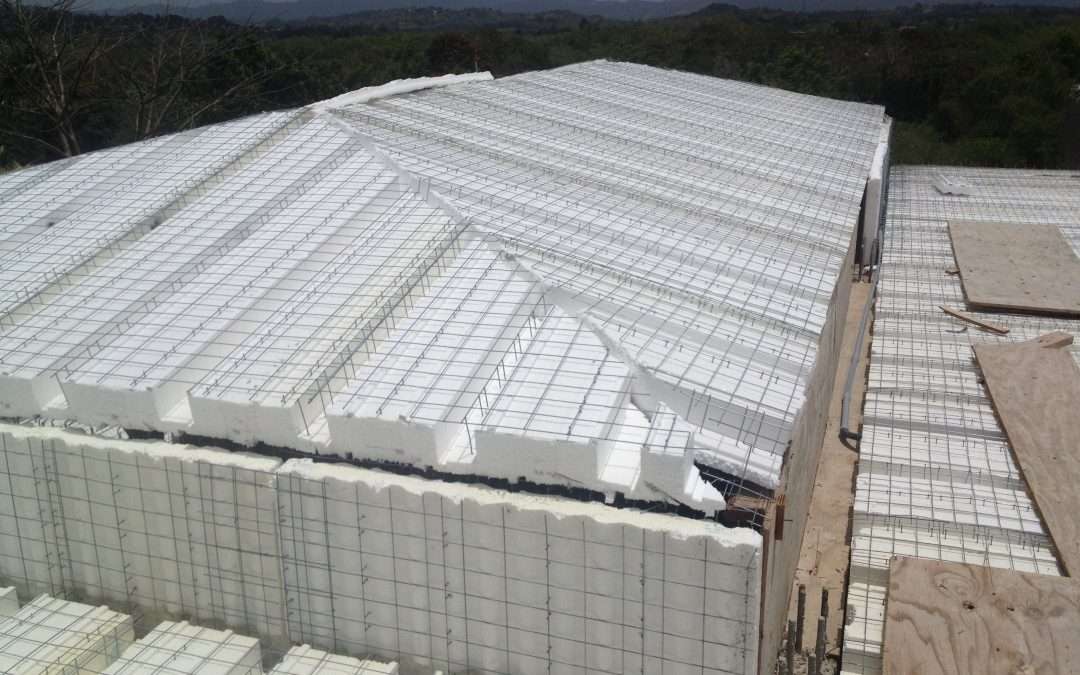
What floor and roofing structural panels actually do In practical terms, floor and roofing structural panels are engineered assemblies designed to create structural horizontal surfaces while contributing to insulation continuity and system consistency. In SCIP-based construction, these panels typically combine galvanized steel wire mesh with an EPS insulating core, then receive shotcrete or mortar to form a rigid, durable structural element.
That configuration changes the conversation on site. Instead of assembling multiple layers across separate trades and construction stages, contractors work with a system that simplifies placement, reinforcement continuity, and enclosure performance. The result is not magic, and it does not eliminate engineering discipline or installation rigor. It does, however, reduce complexity in ways that matter on real projects.
For floors, the priorities are typically load-bearing capacity, deflection control, integration with walls and spans, and construction sequencing. For roofs, those priorities expand to include weather exposure, wind uplift resistance, drainage design, thermal performance, and durability under severe climate conditions. A panel system that performs well in both applications enables a more consistent structural strategy across the full building envelope.
Why builders are rethinking floor and roofing structural panels Labor pressure is one of the primary drivers. Conventional assemblies often require greater crew specialization, more trade handoffs, and more opportunities for schedule delays. When labor is expensive or difficult to schedule, a system that installs faster and reduces trade stacking protects both budget and timeline.
Resilience is the second driver. In hurricane-prone regions and seismic zones, roof and floor assemblies are not secondary components — they are integral to the structural story that determines how a building performs under stress. A code-aligned panel system with tested performance data helps project teams make decisions with more confidence, especially when owners care about safety, continuity, and long-term insurability.
Energy performance is also becoming more important. Roof assemblies in hot climates absorb constant thermal loading, and underperforming floors can contribute to comfort and efficiency problems depending on building type and design. When insulation is integrated into the panel itself, the project gains operational benefits without depending entirely on added layers and corrective detailing applied later in the sequence. Performance advantages in real-world construction
The strongest case for structural panel systems does not rest on any single feature. It comes from how several advantages work together. Speed is usually the first benefit teams notice. Panelized floor and roof assemblies can significantly reduce installation time compared to more fragmented methods, particularly when crews are trained on the system and equipment is matched to the application process. Faster enclosure and structural completion compress schedules and reduce exposure to weather-related delays.
Strength and structural continuity are equally important. In a well-designed SCIP assembly, the mesh, core, connectors, and mortar act together to create a structural component with meaningful rigidity and impact resistance — attributes especially valuable in regions where buildings must resist hurricanes, earthquakes, or other high-demand loading conditions.
Thermal performance is another material advantage. Because insulation is incorporated into the panel assembly, it supports a more integrated envelope strategy from the start. That does not mean every project will produce identical energy outcomes — HVAC design, glazing, orientation, air sealing, and detailing all remain consequential. But an insulated structural roof or floor provides the design team a stronger baseline than most conventional alternatives provide. There is also a cost-efficiency argument, though it should be framed carefully. Panels do not automatically reduce every project’s material costs. Often, the more significant savings come from reduced labor, compressed schedules, lower waste, and stronger long-term operating performance. Sophisticated buyers evaluate total project economics, not unit cost in isolation.
Where specification decisions determine the outcome Not every project should use the same floor or roof solution, even within the same building system. Span requirements, live loads, occupancy type, exposure category, and mechanical integration all affect the appropriate panel design.
For floor applications, engineers need clarity on expected loads, support conditions, vibration criteria, and how the panel interfaces with bearing walls, beams, and openings. Residential floors may prioritize speed and thermal separation. Commercial or industrial floors may require different reinforcement strategies and more demanding performance thresholds. For roofing applications, the design conversation becomes more nuanced. Slope, drainage, penetrations, parapets, overhangs, and wind zone classification all affect detailing requirements. A coastal Florida roof does not carry the same design priorities as a roof in a lower-risk inland market. The panel system must align with the project’s engineering assumptions and the applicable code pathway.
That is why technical documentation is essential. Builders, architects, and engineers need more than marketing claims. They need code-aligned information, evaluation support, and installation guidance capable of withstanding plan review, procurement scrutiny, and field execution. Installation realities on site A well-engineered panel system still depends on disciplined installation. That includes correct placement, bracing, reinforcement coordination, mortar application, curing practices, and inspection checkpoints. Teams that treat the system as a shortcut rather than a method will compromise its performance.
This approach is one reason complete-system suppliers hold a meaningful advantage. When crews coordinate panels, application equipment, and technical support, the field process becomes more predictable. Crews work more efficiently, material handling becomes more organized, and quality control is easier to maintain.
Contractors transitioning from wood framing or conventional masonry construction may find the process challenging at first. That curve is generally manageable when manufacturers provide workshops, technical resources, and project-specific support. Once crews internalize the sequence, installation becomes faster and more repeatable across successive projects.
Comparing panels to conventional alternatives Against wood framing, structural concrete panels (SCIP) typically offer stronger resistance to moisture-related deterioration, pests, fire exposure, and severe weather forces—depending on the assembly configuration and finish design. They also deliver greater mass and a more integrated approach to insulation. The trade-off is that project teams must adapt to a different structural methodology and installation sequence.
Against masonry, panel systems can reduce dead load, accelerate construction, and simplify thermal performance. Masonry remains familiar and broadly accepted, but typically requires more labor and more discrete construction steps to achieve the same enclosure and structural objectives.
Against some prefabricated systems, SCIP-based floor and roof assemblies can offer greater on-site flexibility while preserving many of the efficiency benefits associated with panelization. The right choice depends on logistics, crew capability, structural demands, and the owner’s performance priorities.
Why system alignment matters more than product selection alone The best outcomes occur when floor and roof panels are not treated as isolated components. They should be part of a coordinated structural and enclosure strategy that integrates wall assemblies, reinforcing details, application methods, and compliance documentation.
That integrated approach is where companies like GCT—manufacturer of SCIP Structural Panels—deliver real value. Serious buyers are not simply purchasing panels. They are evaluating whether the full system can help them build faster, satisfy performance requirements, and reduce long-term risk in demanding environments.
A roof panel that installs quickly but lacks technical support can create costly delays at the approval stage. A floor panel with strong structural numbers but poor field guidance can result in expensive rework. Product quality matters, but system execution is what determines whether a project actually captures the available benefits.
Floor and roofing structural panels for high-demand markets The strongest use case for floor and roofing structural panels is in projects where resilience, efficiency, and schedule pressure all carry weight simultaneously. That includes residential developments in hurricane corridors, commercial facilities where operational downtime is expensive, institutional buildings requiring durable envelopes, and industrial structures where structural reliability is non-negotiable.
These panels are especially relevant when owners are thinking beyond first cost. A system that supports faster installation, lower energy consumption, and stronger resistance to extreme events improves project value over the life of the building. That is not a generic claim — it is a practical advantage in an environment where insurance pressure, maintenance exposure, and utility costs are all trending in the wrong direction.
If you are evaluating floor and roof assemblies for an upcoming project, the real question is not whether panels differ from conventional construction. The real question is whether your current method remains the best fit for the performance requirements, labor conditions, and risk profile you are building under today.
View the GCT Technical Evaluation Report and consult licensed structural engineers and architects before the specification.