
When a project has to stand up to high winds, seismic movement, rising energy costs, and tight labor availability, the wall system stops being a detail and becomes a major cost and risk decision. That is where a scip building system gets serious attention from builders, developers, engineers, and owners looking for a faster, stronger, and more efficient way to build.
A SCIP system, or Structural Concrete Insulated Panel system, combines an EPS insulated core with welded galvanized steel wire mesh and a concrete mortar finish applied on both sides. Once assembled and properly finished, the panel works as part of a structural building envelope that delivers insulation, strength, and installation efficiency in one integrated system. For projects in hurricane-prone, hot-climate, or seismic regions, that combination is not just attractive – it can materially change project performance over the life of the building.
What a SCIP building system actually is
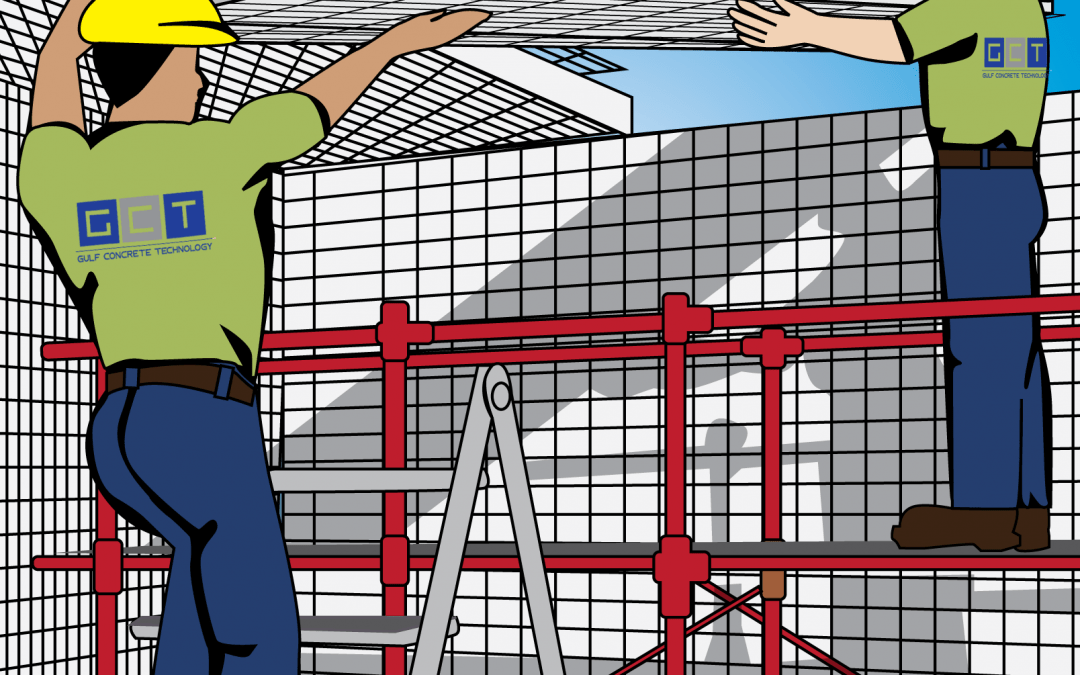
At a basic level, a SCIP panel starts with a rigid expanded polystyrene core. That core is flanked by steel wire mesh, typically connected through the panel with steel trusses or connectors that help create a composite structural element once the concrete mortar is applied. The finished assembly can be used for exterior walls, interior partitions, floors, and roofing, depending on the design and the specific panel configuration.
This matters because the system is not simply an insulated wall panel. It is designed to become a structural assembly after installation and shotcrete or mortar application. That distinction affects everything from engineering and load paths to scheduling, labor planning, and code review.
For contractors evaluating alternatives, the most useful comparison is not just against one material. A SCIP building system competes with concrete block, wood framing, steel framing, and some prefabricated panel approaches at the same time. It offers a different mix of speed, labor profile, thermal performance, and structural resilience than each of those methods.
Why builders consider SCIP over conventional methods
The first reason is labor efficiency. Traditional masonry requires repetitive unit placement, alignment, grouting, and often additional insulation strategies. Wood and light-gauge steel framing can move faster in some markets, but they often require multiple follow-on trades to achieve the final structural, thermal, and weather performance target. SCIP consolidates several of those functions into one assembly.
That does not mean every crew can install it immediately with no learning curve. It means the system can reduce total labor demand when crews are trained and the project is planned correctly. Panel placement is fast, but the real value comes from the full sequence – erecting panels, tying steel, coordinating openings, and applying concrete mortar efficiently with the right equipment.
The second reason is energy performance. Because insulation is built into the panel core, the wall assembly starts with a thermal advantage. In hot climates, that can lower cooling loads and improve long-term operating costs. For owners comparing first cost against lifecycle value, this is often where SCIP becomes more compelling than it first appears on a square-foot basis.
The third reason is resilience. Properly designed and installed SCIP assemblies have been used in projects where resistance to hurricanes, earthquakes, and impact matters. In regions where weather events and seismic risk drive insurance pressure, downtime risk, and safety concerns, resilience is not a marketing phrase. It is part of the project economics.
Where the performance advantage shows up
A well-executed SCIP project creates a building envelope that is structurally capable, well insulated, and relatively efficient to assemble. That combination is especially useful in residential developments, schools, multifamily buildings, commercial structures, and industrial facilities where speed and long-term durability both matter.
In high-wind regions, the concrete-encased steel mesh assembly offers a clear advantage over lighter systems that may require more bracing, more reinforcement detailing, or more concern about debris impact. In seismic zones, reduced mass compared with some conventional concrete approaches can also be beneficial, depending on the design. The exact advantage depends on engineering, building geometry, and code path, but the system is often evaluated precisely because it can satisfy structural demands without sacrificing insulation.
Fire resistance and acoustic performance also enter the conversation. A finished concrete and insulated assembly can support quieter interiors and a more durable wall surface than lighter framed partitions. That matters in hospitality, multifamily, education, and institutional work where occupant comfort and long-term maintenance are part of the ROI.
SCIP building system tradeoffs to evaluate early
No building system is the right answer for every project, and serious buyers should look at SCIP with that mindset. The strongest outcomes happen when the design team, builder, and supplier evaluate the fit early instead of forcing the system into a project that was detailed around a different method.
One tradeoff is familiarity. In some markets, inspectors, subcontractors, and crews are more accustomed to block or frame construction. That can add friction if the project team does not have access to technical support, training, or clear installation documentation. It is manageable, but it should be planned for rather than ignored.
Another tradeoff is sequencing. SCIP can simplify the assembly, but it also demands disciplined coordination around openings, embeds, MEP penetrations, and mortar application. If teams treat it like standard framing and defer decisions too long, they can lose some of the speed advantage.
There is also an equipment consideration. To get the best production rate and finish quality, mortar mixing and application equipment matters. That is one reason complete-system providers are valuable. The panel itself is only part of the equation. Consistent installation quality depends on the tools, crew training, and field process behind it.
Cost should be evaluated as a system cost, not just a panel price. If a buyer compares SCIP only to raw framing material or only to block unit cost, the comparison is incomplete. A better analysis includes labor, insulation, structural performance, equipment, schedule compression, and operating cost over time.
Design and compliance matter
Construction professionals do not specify structural systems on claims alone. They need documentation, engineering logic, and code alignment. That is especially true in the U.S. and Caribbean, where projects may face strict wind design requirements, seismic review, and owner scrutiny around performance.
A SCIP building system should be evaluated with the same discipline as any structural assembly. That includes engineering calculations where required, technical evaluation documents, code references, and project-specific detailing. Openings, spans, connections, diaphragm behavior, and foundation interface all need to be addressed in the design phase.
For architects and engineers, this is where supplier quality matters. The best manufacturing partner is not just shipping panels. They are helping the team understand panel applications, finish requirements, reinforcement strategy, and code-supported use cases. Structural Panels GCT positions its offering around that full-system approach, which is exactly what serious projects require.
Best-fit projects for SCIP
SCIP tends to make the most sense where the project needs several things at once: structural capacity, insulation, speed, and resilience. Single-family housing in storm-prone regions is an obvious fit, but the system is not limited to homes. Multifamily, schools, clinics, warehouses, office buildings, and mixed-use structures can all benefit when the project goals align with the system’s strengths.
It is particularly attractive where labor costs are high or skilled trades are hard to secure. If one integrated assembly can reduce trade stacking and shorten the schedule, that has real value. It also fits projects where owners care about operating cost, occupant comfort, and lower maintenance over time.
That said, for very small projects, very simple enclosures, or jobs in markets with highly optimized conventional framing crews, the economics may require closer review. SCIP often wins on total performance, but the right decision still depends on project scale, local labor conditions, engineering requirements, and the team’s readiness to build with the system correctly.
What to ask before you specify it
Before moving forward, project stakeholders should ask practical questions. Is the system supported by technical documentation relevant to the jurisdiction? Is there training for installers? Are there clear details for walls, roofs, floors, and openings? Can the supplier support the project with equipment, sequencing guidance, and quote-based material planning?
Those questions separate a panel purchase from a buildable system. In alternative construction, execution quality is what turns theoretical advantages into real schedule and performance results.
For teams trying to reduce labor exposure, improve energy performance, and build for severe conditions, SCIP deserves a serious look. The strongest projects are usually the ones that decide early, coordinate thoroughly, and treat the building system as a strategic choice rather than a commodity line item.
The real value of SCIP is not that it is different. It is that, on the right project, it solves several expensive problems at the same time.